Are you looking for advice about Anatomy of a House: Understanding the Components?
:max_bytes(150000):strip_icc()/drain-your-homes-plumbing-system-1824885-color02-84ae330d3fce48bbbf7e59060a5c8153.png)
Recognizing how your home's plumbing system functions is crucial for every single homeowner. From delivering tidy water for drinking, cooking, and bathing to safely removing wastewater, a well-kept plumbing system is important for your family members's health and wellness and convenience. In this thorough overview, we'll check out the detailed network that makes up your home's pipes and offer ideas on maintenance, upgrades, and dealing with common problems.
Intro
Your home's pipes system is greater than just a network of pipelines; it's a complicated system that ensures you have accessibility to tidy water and efficient wastewater elimination. Recognizing its parts and just how they collaborate can aid you avoid costly repair services and make certain whatever runs smoothly.
Basic Elements of a Pipes System
Pipes and Tubing
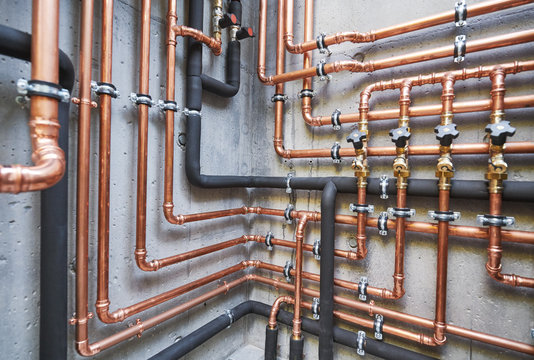
At the heart of your plumbing system are the pipes and tubes that bring water throughout your home. These can be constructed from different materials such as copper, PVC, or PEX, each with its advantages in terms of resilience and cost-effectiveness.
Components: Sinks, Toilets, Showers, and so on.
Components like sinks, commodes, showers, and bath tubs are where water is utilized in your home. Recognizing exactly how these fixtures connect to the pipes system aids in detecting issues and preparing upgrades.
Valves and Shut-off Factors
Valves manage the flow of water in your pipes system. Shut-off shutoffs are vital throughout emergency situations or when you need to make fixings, enabling you to separate parts of the system without interfering with water circulation to the whole house.
Water System System
Main Water Line
The major water line connects your home to the community supply of water or a personal well. It's where water enters your home and is dispersed to numerous components.
Water Meter and Stress Regulator
The water meter steps your water usage, while a stress regulatory authority makes sure that water moves at a secure pressure throughout your home's plumbing system, preventing damages to pipes and fixtures.
Cold Water vs. Warm water Lines
Recognizing the distinction in between cold water lines, which provide water straight from the primary, and hot water lines, which lug warmed water from the hot water heater, helps in fixing and planning for upgrades.
Drain System
Drain Pipes and Traps
Drain pipelines bring wastewater far from sinks, showers, and bathrooms to the sewer or septic tank. Catches stop sewer gases from entering your home and also catch debris that can trigger obstructions.
Ventilation Pipelines
Ventilation pipelines allow air right into the drainage system, protecting against suction that can slow down drainage and trigger catches to vacant. Correct air flow is important for maintaining the honesty of your plumbing system.
Value of Correct Water Drainage
Making sure proper water drainage stops backups and water damages. On a regular basis cleansing drains and preserving catches can prevent pricey fixings and extend the life of your pipes system.
Water Heating Unit
Kinds Of Hot Water Heater
Water heaters can be tankless or standard tank-style. Tankless heating systems heat water on demand, while containers keep warmed water for immediate use.
How Water Heaters Connect to the Pipes System
Recognizing just how water heaters attach to both the cold water supply and warm water distribution lines aids in diagnosing problems like insufficient hot water or leaks.
Upkeep Tips for Water Heaters
On a regular basis flushing your water heater to get rid of debris, checking the temperature setups, and inspecting for leakages can extend its life expectancy and improve power efficiency.
Typical Pipes Issues
Leakages and Their Causes
Leakages can take place due to aging pipelines, loose fittings, or high water pressure. Dealing with leakages promptly avoids water damage and mold and mildew growth.
Obstructions and Obstructions
Obstructions in drains and commodes are usually caused by flushing non-flushable things or an accumulation of grease and hair. Using drain displays and being mindful of what decreases your drains pipes can prevent clogs.
Indications of Pipes Troubles to Expect
Low tide pressure, slow drains, foul odors, or uncommonly high water expenses are indications of prospective pipes problems that ought to be attended to without delay.
Plumbing Maintenance Tips
Routine Examinations and Checks
Schedule annual pipes examinations to catch issues early. Seek signs of leaks, rust, or mineral buildup in faucets and showerheads.
DIY Maintenance Tasks
Basic jobs like cleaning faucet aerators, checking for bathroom leakages making use of dye tablets, or insulating exposed pipelines in cold climates can stop significant plumbing issues.
When to Call a Professional Plumbing
Know when a plumbing concern calls for specialist experience. Trying intricate repair services without proper understanding can result in more damage and greater fixing prices.
Upgrading Your Pipes System
Factors for Updating
Updating to water-efficient components or replacing old pipes can improve water quality, minimize water expenses, and enhance the worth of your home.
Modern Pipes Technologies and Their Advantages
Check out innovations like clever leakage detectors, water-saving bathrooms, and energy-efficient water heaters that can save money and reduce ecological impact.
Expense Considerations and ROI
Compute the in advance expenses versus long-term financial savings when taking into consideration pipes upgrades. Lots of upgrades pay for themselves via lowered utility costs and fewer repair work.
Environmental Influence and Preservation
Water-Saving Components and Home Appliances
Setting up low-flow faucets, showerheads, and commodes can considerably reduce water use without compromising performance.
Tips for Lowering Water Usage
Straightforward habits like dealing with leaks quickly, taking much shorter showers, and running full lots of laundry and recipes can save water and lower your energy bills.
Eco-Friendly Pipes Options
Think about lasting plumbing products like bamboo for flooring, which is durable and eco-friendly, or recycled glass for kitchen counters.
Emergency Preparedness
Actions to Take During a Pipes Emergency
Know where your shut-off shutoffs are located and just how to shut off the water in case of a burst pipeline or major leakage.
Significance of Having Emergency Calls Useful
Maintain contact information for neighborhood plumbings or emergency situation services conveniently offered for quick action during a plumbing situation.
DIY Emergency Situation Fixes (When Applicable).
Temporary repairs like utilizing air duct tape to patch a dripping pipeline or positioning a bucket under a dripping faucet can lessen damages till a specialist plumber shows up.
Final thought.
Comprehending the anatomy of your home's pipes system encourages you to keep it properly, saving time and money on repairs. By complying with regular maintenance routines and staying informed regarding contemporary plumbing innovations, you can ensure your plumbing system operates effectively for several years to find.
Anatomy of a House: Understanding the Components of your Home (Part 2/3)
Windows/Doors
Windows are pretty simple. They will lean into the frame of your house and have trim/caulk added on both sides of the wall for aesthetics and protection from rain. As of today, the building standard is a vinyl, double hung window. If you look at any window in your house, you ll probably see two main sections of glass, one top section and one bottom section. Those are each called a sash. If they can both move and slide up and down, you have a double hung. Most newer, vinyl windows also have two glass panes in each sash with gas between them for energy efficiency.
The oldest type of window you would see on a typical basis would be the wooden window (everything but the glass is wood). Not long after, metal and aluminum windows became typical. It was perhaps around the early 2000s that vinyl started to become the growing standard. The most typical advantages to updated windows would be a lower energy bill, aesthetics, and function (old windows may stick or have cracked panes, etc).
Moving past the basics, the main pro tip we have is to keep an eye on windows for a subtle leak around the outside allowing rainwater past the siding. This will rot out and damage the frame of your house and wherever else the water gets to. Windows should have a nice caulked-in seal around the outside after the trim is wrapped around the window. If the drywall looks unusual under the window, this could be a sign of water getting in.
Doors are even more simple! However, there is common problem with exterior doors that doesn t seem to go away. When doors don t have an awning or at least an eve extended a little past the exterior wall, it is inevitable that the bottom outside wood of the door frame will rot. There are some door trim materials that are resistant to water damage, but time is not in their favor. All exterior doors are best to have some sort of rain cover.
Plumbing
Plumbing is known for being sneaky! Hidden in the walls and floor joists, it s hard to know there s a problem until visible damage has been done.
There are two systems in your plumbing: supply and drain.
Supply Lines
Supply plumbing comes from the city. In Davidson County of Tennessee, most water meters are in the ground of the front yard near the street. This is your main water valve and each 90 degrees of rotation on the valve will alternate between on and off. The primary differential of supply plumbing is that it is pressurized to push water out of your faucets. Thus, the pipe materials used must be strong and a sprung leak would mean a lot of damage to surrounding parts of the house very quickly. The supply plumbing also has two systems: hot and cold. Some of the water from the main line goes straight to your water heater, and is then pushed out to all the hot sides of the fixtures.
Supply pipe material has evolved. Starting around the 1960s, Galvanized pipe was perhaps the original standard but is cause for concern if seen in a house today. Eventually copper became the preferred material and is still considered up to code and acceptable. In recent years, PEX has gained market share for it s flexibility (easy to install, harder to break) while still maintaining the strength to hold the water pressure. Most homes built today will use PEX throughout. The commonly-toted advantage of PEX piping is its ability to expand if the water inside were to ever freeze, thus preventing a leak.
Plumbing fixture is an important term to know as it refers to anywhere the supply pipe converts to a valve to be controlled by a person for their use. Faucets, shower handles, outside spigots are all fixtures.
Drain Lines
Drain, also known as sewer, pipes deliver drain and toilet contents back to the city for water treatment. They were built cast iron or even lead for many years. Both can last perhaps 100 years, but if any are seen in a house today, they are likely due to be replaced at any moment. The standard for drain pipes for several decades has been the white PVC pipe (pictured here).
Drain lines aren t pressurized, so a leak wouldn t be nearly as catastrophic. A little bit of maintenance and care goes a long way with these lines as most damage we ve seen was easily preventable if the homeowner or tenants had paid attention. Common problem areas are under the toilet where bowl contents drop into the pipe and where the corners of the floor meet the bathtub/shower and wall (floor will be spongy ). Drain lines also have the bonus feature of being able to clog! Be careful of what you send down the drain or toilet, as a child s toy could become a $1000 repair!
To sum the plumbing section, a homeowner should take care in simply paying attention to symptoms of problems, and repairing right away. The longer a plumbing issue can carry on, the further the extent of damage. In a single story home, plumbing is almost always run between joists under the floors. They will take the shortest route from the main line outside, straight to the faucets or water heater. Drain lines will maintain a constant slope under the house until, typically, they converge into one big pipe that runs back to the city.
Electrical
The electrical system in your house is mostly known for the incredible conveniences it allows as well as for it s capacity for danger. Power runs from the the utility company into the Breaker Box AKA Electrical Panel. This panel splits the power into separate circuits and sends them out to various areas of the house. The circuits will have mostly outlets emerging from the walls, the circuits will also run power straight to some fixtures such as lights or a water heater.
*When it comes to safety, the most important fact to remember is that your body has to be the path that completes a circuit for electricity to flow through you and shock or electrocute you. This law manifests itself in many different ways.*
Much like all the other systems of the house, electrical has continued to innovate over the decades. The two big changes are breaker panels and grounded wires. Electrical Panels are now constructed with breakers. If something shorts, it trips a breaker instead of blowing a fuse. If your outlets only have two holes, your system is not grounded. Grounded circuits are safer and two-prong outlets are cause for concern. Another of the latest upgrades is a new type of outlet called GFCI that provides additional protection for outlets near water sources (typically kitchen and bath).
Electrical problems can be hard to predict and take many shapes and forms. The good thing is, however, most homeowners
https://skylinehomesolutions.com/anatomy-house-understanding-components-home-part-2-3/
Anatomy of a House: Understanding the Components of your Home (Part 2/3)
Windows/Doors
Windows are pretty simple. They will lean into the frame of your house and have trim/caulk added on both sides of the wall for aesthetics and protection from rain. As of today, the building standard is a vinyl, double hung window. If you look at any window in your house, you ll probably see two main sections of glass, one top section and one bottom section. Those are each called a sash. If they can both move and slide up and down, you have a double hung. Most newer, vinyl windows also have two glass panes in each sash with gas between them for energy efficiency.
The oldest type of window you would see on a typical basis would be the wooden window (everything but the glass is wood). Not long after, metal and aluminum windows became typical. It was perhaps around the early 2000s that vinyl started to become the growing standard. The most typical advantages to updated windows would be a lower energy bill, aesthetics, and function (old windows may stick or have cracked panes, etc).
Moving past the basics, the main pro tip we have is to keep an eye on windows for a subtle leak around the outside allowing rainwater past the siding. This will rot out and damage the frame of your house and wherever else the water gets to. Windows should have a nice caulked-in seal around the outside after the trim is wrapped around the window. If the drywall looks unusual under the window, this could be a sign of water getting in.
Doors are even more simple! However, there is common problem with exterior doors that doesn t seem to go away. When doors don t have an awning or at least an eve extended a little past the exterior wall, it is inevitable that the bottom outside wood of the door frame will rot. There are some door trim materials that are resistant to water damage, but time is not in their favor. All exterior doors are best to have some sort of rain cover.
Plumbing
Plumbing is known for being sneaky! Hidden in the walls and floor joists, it s hard to know there s a problem until visible damage has been done.
There are two systems in your plumbing: supply and drain.
Supply Lines
Supply plumbing comes from the city. In Davidson County of Tennessee, most water meters are in the ground of the front yard near the street. This is your main water valve and each 90 degrees of rotation on the valve will alternate between on and off. The primary differential of supply plumbing is that it is pressurized to push water out of your faucets. Thus, the pipe materials used must be strong and a sprung leak would mean a lot of damage to surrounding parts of the house very quickly. The supply plumbing also has two systems: hot and cold. Some of the water from the main line goes straight to your water heater, and is then pushed out to all the hot sides of the fixtures.
Supply pipe material has evolved. Starting around the 1960s, Galvanized pipe was perhaps the original standard but is cause for concern if seen in a house today. Eventually copper became the preferred material and is still considered up to code and acceptable. In recent years, PEX has gained market share for it s flexibility (easy to install, harder to break) while still maintaining the strength to hold the water pressure. Most homes built today will use PEX throughout. The commonly-toted advantage of PEX piping is its ability to expand if the water inside were to ever freeze, thus preventing a leak.
Plumbing fixture is an important term to know as it refers to anywhere the supply pipe converts to a valve to be controlled by a person for their use. Faucets, shower handles, outside spigots are all fixtures.
Drain Lines
Drain, also known as sewer, pipes deliver drain and toilet contents back to the city for water treatment. They were built cast iron or even lead for many years. Both can last perhaps 100 years, but if any are seen in a house today, they are likely due to be replaced at any moment. The standard for drain pipes for several decades has been the white PVC pipe (pictured here).
Drain lines aren t pressurized, so a leak wouldn t be nearly as catastrophic. A little bit of maintenance and care goes a long way with these lines as most damage we ve seen was easily preventable if the homeowner or tenants had paid attention. Common problem areas are under the toilet where bowl contents drop into the pipe and where the corners of the floor meet the bathtub/shower and wall (floor will be spongy ). Drain lines also have the bonus feature of being able to clog! Be careful of what you send down the drain or toilet, as a child s toy could become a $1000 repair!
To sum the plumbing section, a homeowner should take care in simply paying attention to symptoms of problems, and repairing right away. The longer a plumbing issue can carry on, the further the extent of damage. In a single story home, plumbing is almost always run between joists under the floors. They will take the shortest route from the main line outside, straight to the faucets or water heater. Drain lines will maintain a constant slope under the house until, typically, they converge into one big pipe that runs back to the city.
Electrical
The electrical system in your house is mostly known for the incredible conveniences it allows as well as for it s capacity for danger. Power runs from the the utility company into the Breaker Box AKA Electrical Panel. This panel splits the power into separate circuits and sends them out to various areas of the house. The circuits will have mostly outlets emerging from the walls, the circuits will also run power straight to some fixtures such as lights or a water heater.
*When it comes to safety, the most important fact to remember is that your body has to be the path that completes a circuit for electricity to flow through you and shock or electrocute you. This law manifests itself in many different ways.*
Much like all the other systems of the house, electrical has continued to innovate over the decades. The two big changes are breaker panels and grounded wires. Electrical Panels are now constructed with breakers. If something shorts, it trips a breaker instead of blowing a fuse. If your outlets only have two holes, your system is not grounded. Grounded circuits are safer and two-prong outlets are cause for concern. Another of the latest upgrades is a new type of outlet called GFCI that provides additional protection for outlets near water sources (typically kitchen and bath).
Electrical problems can be hard to predict and take many shapes and forms. The good thing is, however, most homeowners
https://skylinehomesolutions.com/anatomy-house-understanding-components-home-part-2-3/
I recently found that review about Understanding Your Home's Plumbing Anatomy while looking around the internet. Liked our write up? Please share it. Let another person discover it. Thank you so much for taking the time to read it.
Call Today